
Blog
Dental hygiene tips for healthy teeth & gums
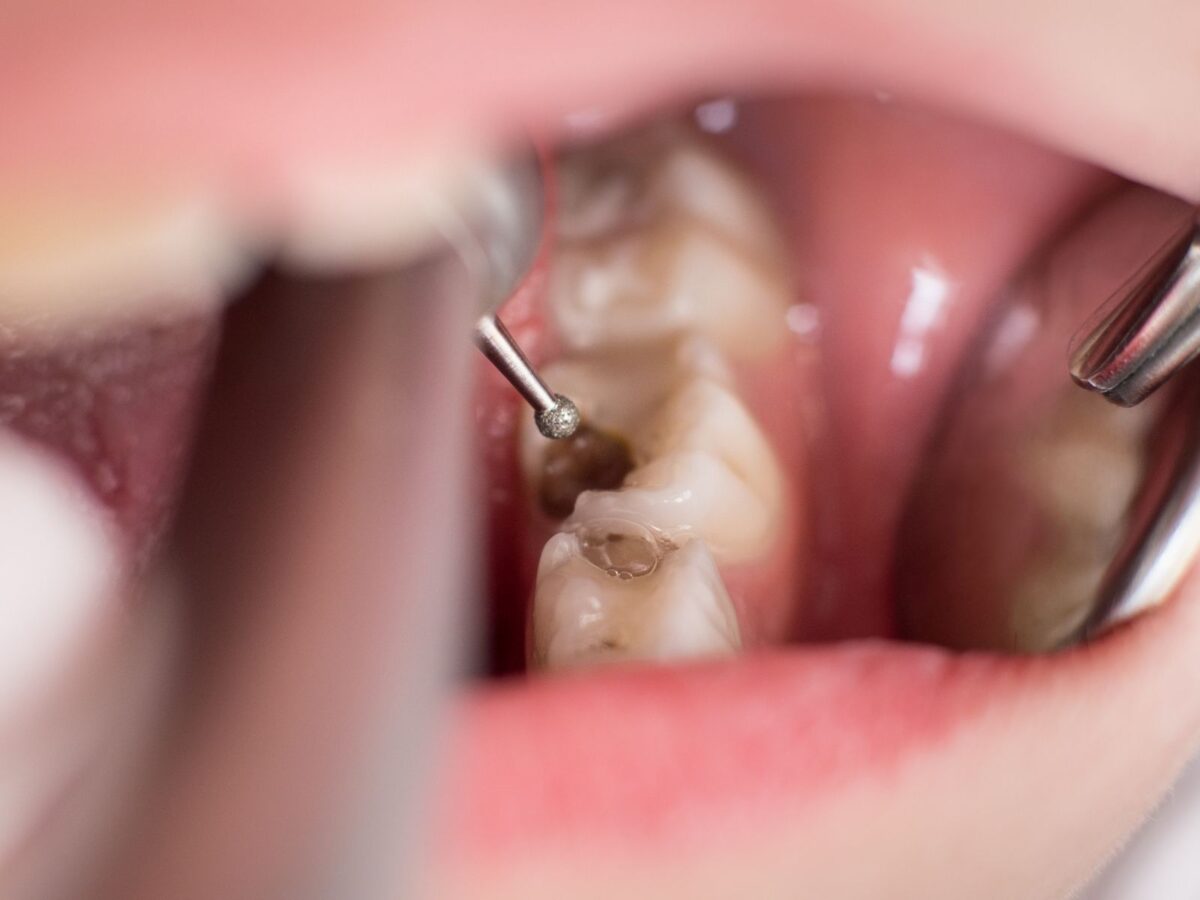
Tooth Decay in Young Children: Why It Happens and How to Prevent It
Tooth decay in preschoolers doesn’t really start in an obvious way. In the beginning, nothing feels urgent. No clear signs, nothing dramatic. It’s usually just small things. Easy to miss. A faint mark, maybe a slight color change, something that doesn’t look serious enough to act on right away. So it gets ignored or just pushed aside for later.
Most people imagine tooth decay in preschoolers as something you can clearly see. A hole, dark areas, visible damage. But it rarely begins like that. It starts much earlier than that stage. And much quieter too. By the time it stands out, it’s often already progressed more than expected.
Why It Can Start So Early Without Anyone Noticing
Children’s teeth aren’t as strong as adult teeth. That’s one reason. The outer layer is thinner, so it doesn’t take much for changes to start. Even everyday habits can affect them sooner than you’d expect. Things that wouldn’t really cause an issue for an adult can still have an effect over time.
Feeding patterns matter too, but not always in the way people think. It’s not just about sugar itself. It’s more about how often the teeth come in contact with it. Small snacks spread throughout the day tend to matter more than one bigger treat.
The CDC also points out that cavities are very common in children, especially in the early years. So it’s actually quite common. It just doesn’t always show up clearly in the beginning.
How Early Dental Cavities Actually Begin
At the beginning, it doesn’t look like decay. That’s what makes it easy to miss. You might notice a faint white spot. Something that looks a bit dull compared to the rest of the tooth. It doesn’t really look damaged. It doesn’t cause pain. It just looks… different. Then, over time, it changes.
The surface might start to feel a bit rough. Or the color changes slightly. That’s usually when early dental cavities start forming, even though it doesn’t look like much yet. And since children don’t usually complain at this stage, it often keeps progressing without much notice.
Common Causes That Don’t Feel Like “Causes”
Some habits don’t seem like they should lead to decay, but they do. Letting a child sip juice throughout the day is one of them. It doesn’t feel excessive, but constant exposure matters. The same goes for snacks that stick to the teeth. It’s not just what they eat, but how long it stays there.
Even something like falling asleep with milk or a bottle plays a role. At night, the mouth doesn’t clean itself the same way. So whatever is left on the teeth stays there longer.
So when people think about cavities in preschoolers, it’s often less about one clear mistake and more about small patterns repeating over time.
Why Kids Don’t Always Say Something Is Wrong
Kids don’t always describe discomfort well. Sometimes they just don’t mention it. You might just notice small things instead.
Chewing on one side. Avoiding certain foods. Not really saying why. And since early decay doesn’t always hurt, there isn’t anything obvious to point to in the beginning. That’s what makes it hard to catch. It often goes unnoticed for some time. And when it finally becomes more obvious, it’s usually already moved beyond the early stage.
What Happens If It Keeps Progressing
Tooth decay doesn’t stay where it starts. It slowly moves deeper into the tooth. At first, it’s just the surface. Then it reaches layers that are more sensitive. That’s when discomfort starts to show up. After that, things become more noticeable.
It can start with pain. Then eating becomes harder. And if it’s left for too long, swelling can happen too. The National Institute of Dental and Craniofacial Research notes that when cavities in children aren’t treated, they can start to affect things like eating and speaking. Not just cause discomfort. So even if baby teeth are temporary, what happens to them still has an impact.
How Early Childhood Cavities Treatment Usually Works
It really depends on how early it’s found. If it’s picked up in the beginning, it doesn’t always need anything major. Sometimes it’s just better brushing. A bit of fluoride, or small changes in what and how often a child eats, can help too. That can be enough to slow it down. But once a cavity is actually there, it usually needs to be treated. That’s where fillings come in. And if it’s gone deeper, it’s not as simple anymore. Treatment can take a bit more time. That’s why early childhood cavity treatment is so much about timing. It tends to be easier when it’s caught early.
What Actually Helps Prevent It (Without Overcomplicating Things)
Prevention isn’t about doing everything perfectly. It’s more about keeping up with oral care. Brushing twice a day helps, but how it’s done also plays a role. Kids often need help reaching certain areas properly. Just a toothbrush by itself isn’t always enough.
Food habits matter, but again, it’s about patterns. Spacing out snacks, reducing constant sipping, and encouraging water in between make a difference over time. Not immediately, but gradually.
So it’s not really about strict rules when it comes to preventing tooth decay in preschoolers. It’s more about keeping habits consistent.
Why Small Changes End Up Making A Difference
It often feels like everything needs to change right away. Most people think that in the beginning. But it’s usually not how things work. It’s more about small things. One or two changes, nothing big. Maybe not letting a child fall asleep with a bottle anymore. Or just brushing a bit more regularly than before. Honestly, it can feel too small to matter. But over time, it does. It builds slowly. And that’s usually where the difference comes from.
How Common This Actually Is
Cavities in young children are more common than most people think. It’s something dentists see quite often, even if parents don’t expect it at first. That doesn’t mean every child will have them. But it does explain why prevention starts early. Dentists tend to focus on it from the beginning for a reason. It can happen even when things seem fine in the beginning. That’s not unusual. Most of the time, it just comes down to noticing it early.
FAQs
1. Tooth decay in preschoolers – What causes it?
It’s mostly all about sugar and habits. Things like snacking often, sweet drinks, and brushing that isn’t always regular.
2. What do early dental cavities look like?
They don’t always look obvious at first. Sometimes it’s just little white or dull areas on the teeth that are just very hard to see.
3. What does early childhood cavities treatment involve?
It depends on how early it’s caught. It might just be fluoride in some cases. In others, small fillings, plus a few habit changes.
4. Can you really stop cavities in kids?
Yes. Brushing well and not overdoing sugar usually helps a lot.
Conclusion
Tooth decay in preschoolers doesn’t really show up in a clear way at first. It sort of builds quietly. You might notice something small, or maybe not even be sure if anything’s changed. That’s why it often gets picked up later than expected.
Are you really unsure about it? Getting it checked can help. Even if it’s nothing, you’re not guessing anymore. It’s usually quick. And if something is there, early childhood cavity treatment is usually easier when it’s caught early. You can always book a visit and just have someone take a look.

