
Blog
Dental hygiene tips for healthy teeth & gums
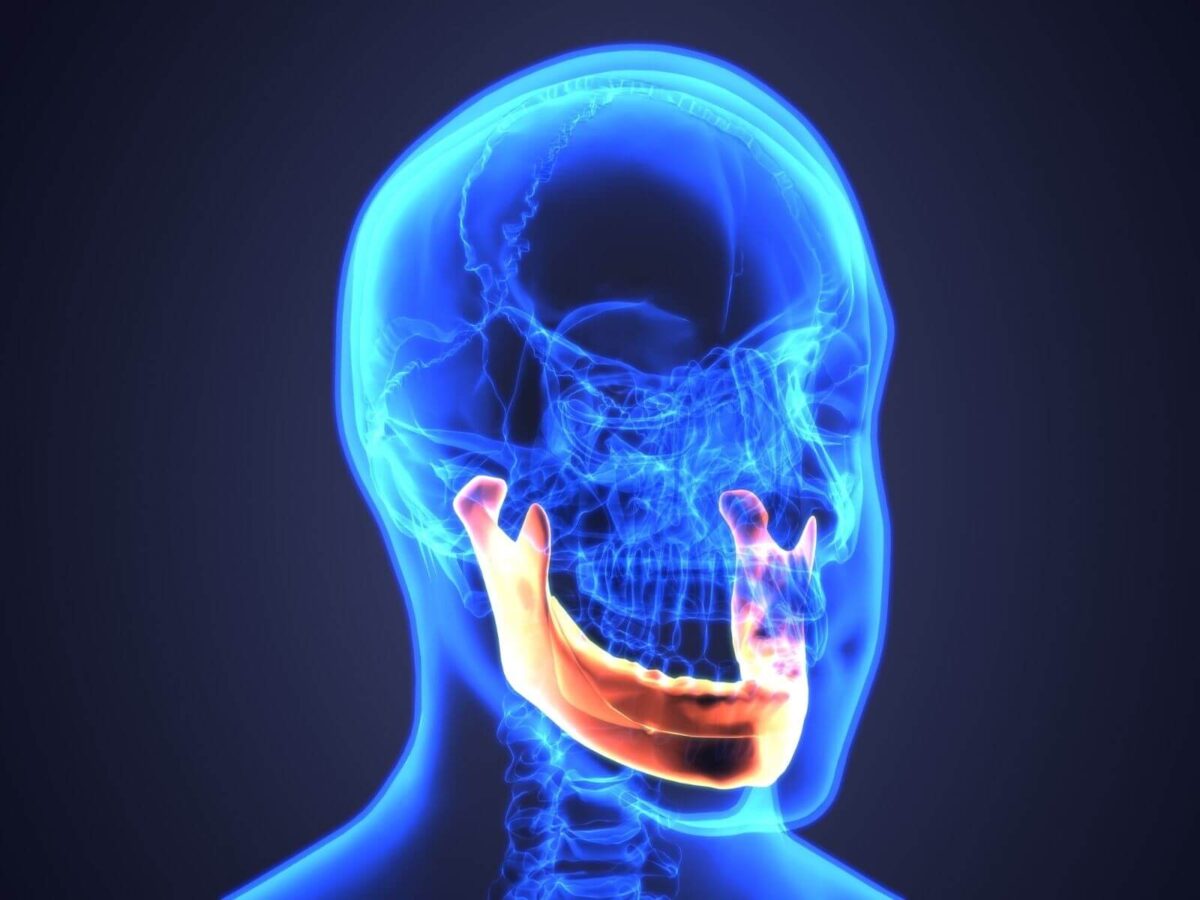
TMJ Disorder Symptoms: 10 Signs of Jaw Joint Problems
Jaw discomfort usually starts small. People blame stress first. Or sleeping wrong. Sometimes, chewing gum too much. Then the jaw starts clicking unexpectedly or feels tight while eating something simple like toast or pizza crust. Headaches show up for some people, too. That is often when searches for TMJ disorder symptoms begin.
According to the National Institute of Dental and Craniofacial Research, around 5 – 12 per cent of people experience some form of temporomandibular joint disorder. Pain does not always stay near the jaw, either. Tightness, headaches, and ear pressure often show up, too.
Jaw Pain Near The Ears
This is one of the most recognizable signs. The soreness usually sits directly in front of the ears or along the jawline itself. Sometimes the pain feels dull and constant. Other times, it becomes sharp during chewing or wide mouth movements. People describing jaw pain, TMJ, often mention the pain feeling strangely deep, rather than tooth-related.
The location confuses people constantly because the jaw joints sit so close to the ears. Many assume they have ear infections initially. The pain also shifts sometimes. One side hurts for several weeks. Then the other side suddenly becomes worse for no obvious reason.
Clicking Or Popping Sounds
Jaw clicking gets mentioned in almost every conversation about TMJ disorder symptoms eventually.
Some clicks stay soft enough that only the person notices them. Other joints crack loudly during yawning or chewing. The sound itself does not automatically mean severe damage, though persistent clicking together with pain usually signals irritation inside the joint.
The popping sometimes disappears temporarily. That part makes people assume the problem is resolved completely. Then the clicking quietly returns a few months later during stressful periods or after long chewing sessions. Hard foods often make the sound more noticeable, too.
Morning Headaches Around The Temples
TMJ headaches often feel different from ordinary headaches. The pressure tends to build near the temples or sides of the head. Some people wake up already sore in the morning from overnight grinding or clenching habits they do not even realize are happening.
Research published through the National Library of Medicine continues showing a strong overlap between chronic headaches and temporomandibular joint disorder conditions.
People looking for TMJ pain relief sometimes spend months focusing only on headaches first. Later, they realize the jaw muscles may have been contributing to the pain the whole time. Stressful days often make the headaches feel worse, too.
Jaw Locking During Eating Or Yawning
This symptom unsettles people immediately. The jaw suddenly catches during opening movements. Sometimes it locks partially open for several seconds before shifting back into place again. Other times, the jaw feels stuck while chewing. That loss of smooth movement becomes extremely frustrating.
Large sandwiches become awkward. Yawning starts feeling uncomfortable because the mouth no longer opens evenly. Certain people begin avoiding wide-mouth movements automatically after repeated locking episodes. Severe TMJ disorder symptoms often include some degree of restricted motion eventually.
Pain While Chewing Tough Foods
Chewing fatigue sounds strange until it starts happening personally. The jaw muscles suddenly feel tired after foods that never caused issues before. Steak. Thick bread crusts. Chewy candy. Gum. Long restaurant meals become annoying instead of relaxing.
Questions around jaw pain, TMJ, usually increase once eating itself becomes uncomfortable regularly. The soreness often lingers after meals, too. Not dramatic pain necessarily. More like exhausted, tight muscles near the cheeks and jawline.
Tightness Along The Jaw Muscles
Some people deal with jaw tightness throughout most of the day after a while. Work can trigger it. Driving too. Long periods of concentration often keep the jaw muscles tense without people noticing. The joints and nearby muscles handle that pressure repeatedly throughout the day.
That is part of why many TMJ disorder symptoms are linked with clenching and grinding habits. Overworked jaw muscles can slowly start causing soreness, pressure, and stiffness.
According to the American Dental Association, grinding and jaw clenching remain strongly associated with TMJ discomfort and facial muscle pain.
Limited Mouth Opening
Some people notice this symptom gradually. The jaw simply stops opening as wide as it used to. Dental cleanings become uncomfortable because holding the mouth open for longer periods creates strain quickly. Yawning feels restricted, too.
Patients with moderate temporomandibular joint disorder sometimes describe the jaw feeling stiff or uneven during opening movements. One side moves differently from the other. That imbalance becomes noticeable in mirrors occasionally. The limitation may improve for several weeks and then suddenly worsen again during stressful periods.
Ear Pressure And Ringing Sounds
Ear-related symptoms confuse people constantly. Pressure sensations, ringing sounds, muffled feelings, and aching near the ears appear surprisingly often with TMJ disorders because the joints sit extremely close to nearby ear structures. Some people visit ENT clinics first because the discomfort feels more like ear trouble than jaw trouble.
Questions around TMJ disorder symptoms become more complicated once ringing, or ear fullness, enters the picture because people rarely connect those sensations directly with the jaw initially, especially when no obvious jaw pain exists yet.
Neck And Shoulder Tension
Jaw problems do not always stay limited to the jaw itself. The neck and shoulder muscles often start tightening too. Stress adds tension for many people. Poor posture and long work hours add more strain. Clenching habits usually make the tension spread further.
People researching TMJ pain relief often mention neck tension together with headaches and jaw pain. It is because those muscle groups are closely connected. Long computer hours seem to make symptoms worse for many people. Jaw clenching during concentration often happens without much awareness.
Nighttime Teeth Grinding
Grinding stays closely connected with TMJ problems for many people. Many people stay unaware of it for years until dentists notice flattened enamel or jaw soreness starts becoming constant. Some people also wake up with tight, painful jaws almost every morning. The pressure from grinding strains the jaw joints over time.
The Sleep Foundation estimates that sleep bruxism affects around 13% of adults. Grinding often keeps TMJ disorder symptoms going longer because the muscles stay tense through the night. Night guards help in some cases. Better sleep and stress reduction help others.
Facial Soreness That Comes And Goes
This symptom feels frustrating because it remains inconsistent. Some mornings feel almost normal. Then facial soreness suddenly returns after stress, poor sleep, chewing gum, or long conversations.
TMJ disorder symptoms can change quite a bit over time. That uneven pattern becomes very common with temporomandibular joint disorder because inflammation and muscle tension both rise and fall depending on daily habits and stress levels. People often assume the issue has disappeared permanently once symptoms calm down for a while. Then the jaw tightness quietly returns again later.
TMJ Symptoms Often Get Worse During Stressful Periods
A lot of people tighten their jaw without realizing it during stressful moments. It happens during work concentration or while driving. Some people clench during difficult conversations without noticing the habit. The muscles stay tense long afterward.
The Journal of Oral Rehabilitation has continued linking stress and anxiety with worsening TMJ pain and muscle tension. Dentists often notice symptoms becoming worse during stressful periods and poor sleep routines.
FAQ
What is TMJ exactly?
It is the joint connecting the jaw to the skull near the ears.
Can jaw clicking happen without TMJ disorder?
Yes. Some painless clicking can happen without serious joint problems.
What helps with TMJ pain relief at home?
Jaw rest may help. Softer foods and warm compresses help some people, too.
Does stress affect TMJ disorder symptoms?
Yes. Stress-related clenching happens very often.
Does TMJ ever fully go away?
Some mild cases improve slowly. Others keep coming and going for years.
Conclusion
TMJ disorder symptoms do not always stay limited to the jaw.
Headaches can show up too. Jaw clicking and ear pressure often overlap with neck tightness. Questions about “what is TMJ” usually begin once eating or sleeping starts feeling uncomfortable.
If the jaw keeps feeling sore or tight? It may help to have it evaluated before the symptoms become more constant. Waiting too long sometimes allows the tension and discomfort to build gradually.

