
Blog
Dental hygiene tips for healthy teeth & gums
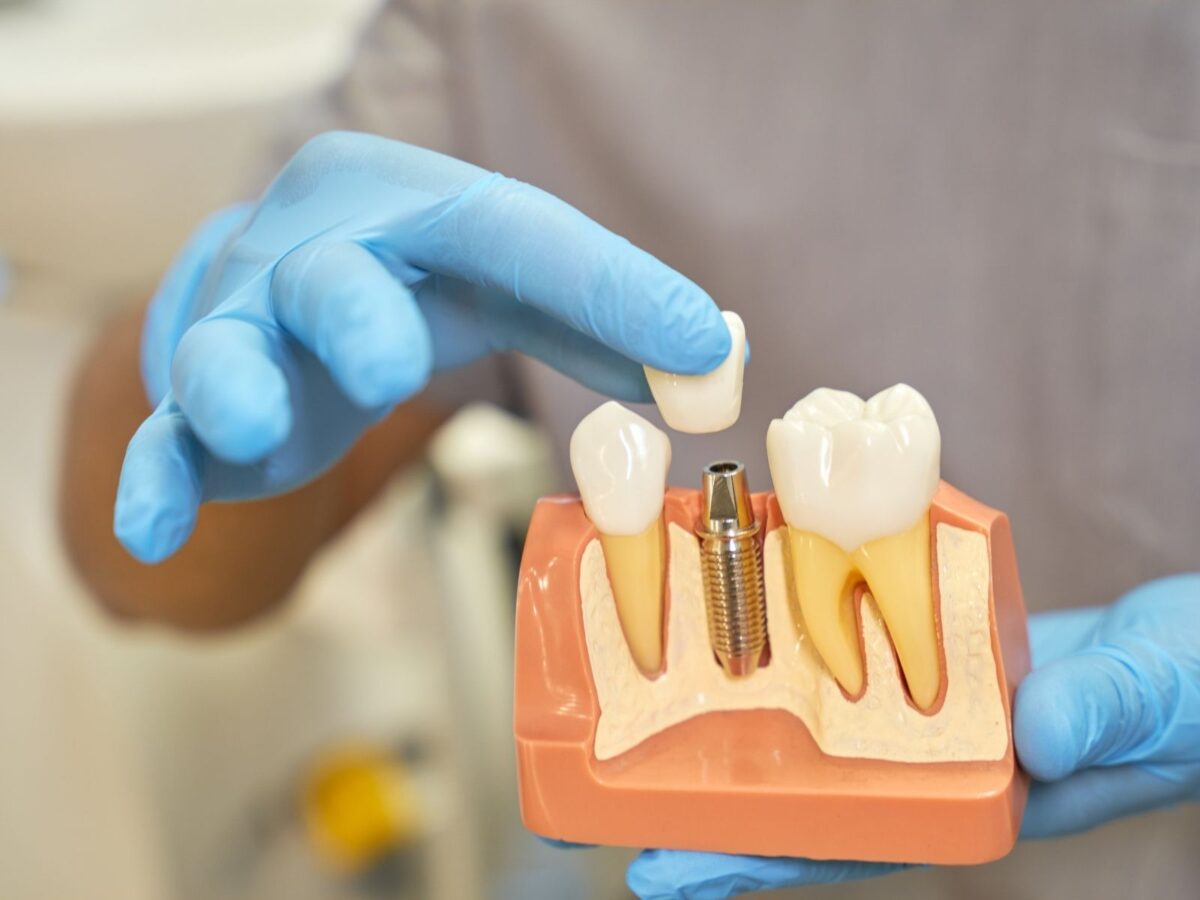
What Goes Into the Cost of a Dental Crown? A Transparent Breakdown
Most people don’t think about the dental crown cost at the start. It usually begins with the tooth itself. Something feels off. Maybe it broke, or a filling didn’t last. The dentist suggests a crown, and that part makes sense. It’s about saving the tooth. So you focus on that first. The cost comes later, and that’s where it can start to feel a bit unclear.
Because the dental crown cost isn’t just one number. It shifts. A few things affect it, and those aren’t always explained in detail. Unless you ask. So it can feel like there’s a small gap there. You’re told what’s needed, but it takes a bit to really piece it together.
Why There Isn’t a Single Price for a Crown
It would be easier if there were a standard price. But crowns don’t work like that. They’re not mass-made or priced the same everywhere. Each one is made for a specific tooth, and that alone changes things. The process, the material, and even how the tooth looks before the crown is placed play a role.
So when people search for dental crown cost, they’re often expecting a number. What they actually get is a range. And that range exists because no two cases are exactly the same.
The Material Choice Changes More Than Just Appearance
This is usually where the pricing starts to change. Crowns aren’t all the same. They can be made from metal and porcelain. “Porcelain fused to metal” and zirconia are used as well. And each of them performs a little differently once placed. Some are stronger, some look more natural, some try to balance both. That difference affects cost.
Metal crowns are usually more durable. Sometimes less expensive too, especially when how it looks isn’t the main concern. Porcelain is different. It’s often used for front teeth, where appearance matters more. And that can affect the price of a dental cap depending on how detailed the work is. Zirconia has become more common lately. It sits somewhere in between. Strong, but also looks more natural. That usually comes at a higher cost.
So the material isn’t just about looks. It ends up affecting the price more than people expect.
What Happens Before the Crown Even Goes On
This is where people often underestimate the cost. The crown isn’t always the first step. Sometimes the tooth needs a bit of work before it’s even ready. That could mean clearing out decay or building the tooth structure again. In some cases, even a root canal if the inside is affected. Each step adds time. And that’s where things start to feel more involved.
If you’re thinking about the cost of a crown tooth? There’s more to it than just the crown. It’s about everything that happens before it gets placed. In some cases, that preparation makes up a significant part of the total cost. And it’s not always optional.
The Role of Lab Work (Which Most People Don’t See)
Crowns are made specifically for each tooth, but you don’t really see that part. It all happens behind the scenes. After impressions, the crown is either made in a lab or done in the clinic using machines.
And depending on the method, the level of detail can be different.
Lab-made crowns usually involve more time and finishing. Same-day ones are faster. They use digital scans and equipment to get it done quickly. Still, there’s a lot happening in that step.
And that’s where part of the dental crown cost comes in. It’s not visible, but it matters more than it seems.
Why Location Changes the Price More Than Expected
This part doesn’t always feel obvious, but it can change things. Clinics in larger cities often have higher operating costs. Rent, staff, equipment, all of it adds up. That can reflect in the pricing. In smaller areas, clinics may charge less for the same procedure. But it’s not just about location.
The kind of clinic also matters. Some use better tools or spend more time on the work. That can increase the price too. So the price of a dental cap isn’t just about the tooth. It’s also about where you’re getting it done.
How Experience and Technique Play a Role
Not all crown placements feel the same. A lot depends on the dentist. Their approach, their experience, even the small details. A crown that fits well and feels natural usually takes careful work. That includes shaping the tooth, taking accurate impressions, and making sure the bite aligns properly.
These things don’t always show up in the price breakdown directly. But they’re part of it. So sometimes a higher dental crown cost reflects the level of precision involved rather than just the materials used.
What the Numbers Say About Crown Use
Crowns are one of the more common dental restorations. National Library of Medicine notes that millions are placed each year, often after procedures like root canals or to restore damaged teeth. The American Dental Association also looks at crowns as something pretty standard, mainly to protect a weak tooth and bring back how it works.
Because they’re so widely used, pricing tends to fall within a broad range rather than a fixed number. That range reflects differences in how each case is handled.
Why Two Similar Crowns Can Still Cost Different Amounts
This is where it starts to feel a bit confusing. Two people might need crowns on similar teeth, but the cost still ends up different. That usually comes down to small differences. One tooth might need more prep. Another might need a different material. Sometimes a few extra steps are involved too. Small things, but they matter.
So comparing the cost of a crown tooth between two cases doesn’t always tell you much. On the surface, it looks similar. But what goes into it can be quite different.
How Much Does Insurance Actually Change the Cost?
For some people, insurance does help with the cost. But it doesn’t cover everything. Sometimes only part of it is included. Or certain materials aren’t covered. So the final amount can still vary, even with insurance. It helps, just not enough to make it the same for everyone.
How to Look at the Cost Without Overthinking It
It’s easy to focus only on the number. So many factors come into play. The material, the prep, how it fits, how long it’s meant to last. That’s where the cost usually comes from. So the dental crown cost isn’t just about the crown sitting on the tooth. It’s about everything that went into getting it there.
FAQs
1. What makes the dental crown cost go up or down?
It’s usually a mix. The material, the state of the tooth, and how much prep work is needed.
2. Why does the price of dental caps feel so different sometimes?
Different materials. Different clinics. And even how the procedure is done can affect it.
3. Can insurance help with the cost of a crown tooth?
It might. Some plans cover part of it, but not always fully.
4. Are expensive crowns always better?
Not always. Different materials can change things. But that doesn’t mean the lower-cost ones won’t work well.
Conclusion
The dental crown cost isn’t really a single number. It changes. Since a few things play a role, it doesn’t always look the same. That’s usually what causes the confusion.
If you’ve been advised a crown and the price of the dental cap feels a bit off or unclear, it’s okay to ask about it. Just get it broken down. Once you see what’s included, it tends to make more sense. And the cost of a crown tooth doesn’t feel as random anymore. Are you still unsure? Just ask your dentist and go over it once. It doesn’t take long, and it usually makes things clearer.

