
Blog
Dental hygiene tips for healthy teeth & gums
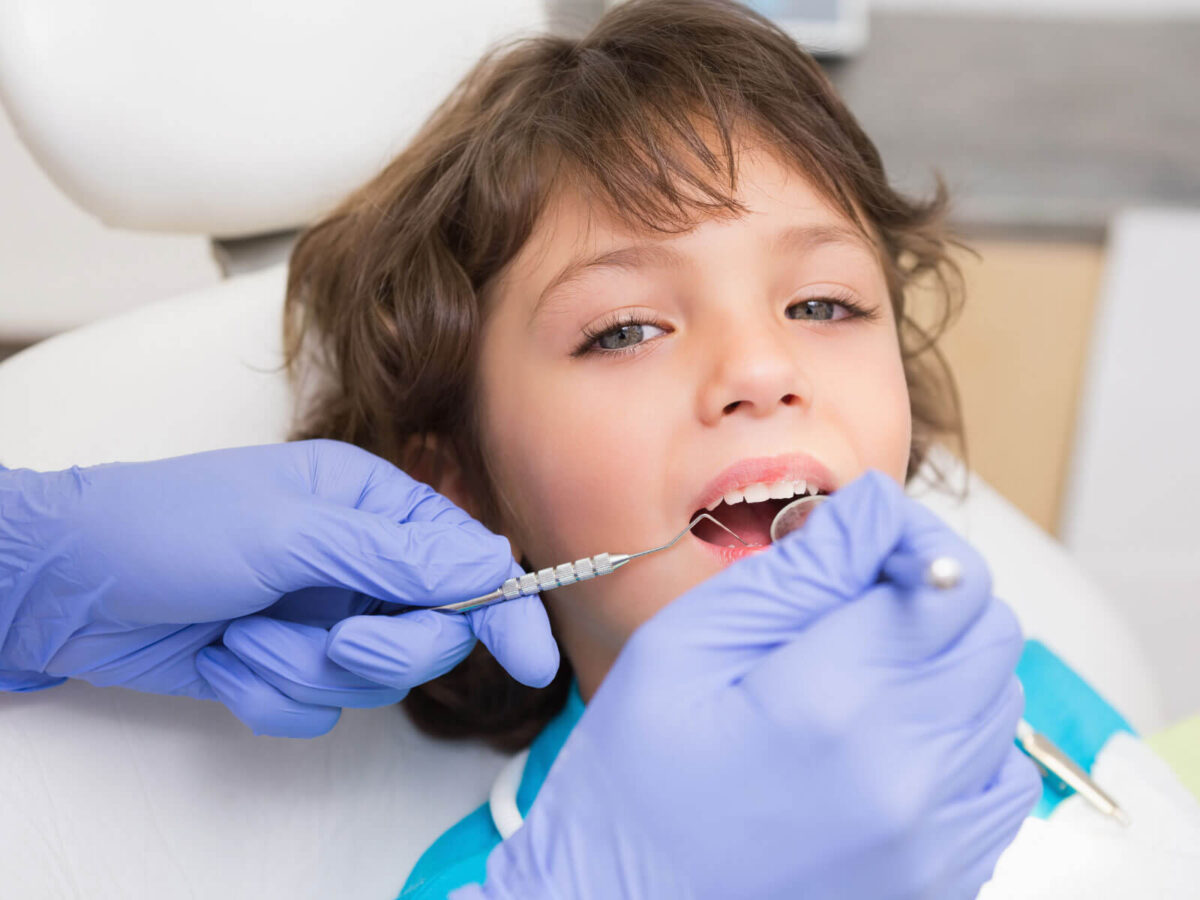
What Is a Pediatric Dentist?
Most people don’t think twice about the phrase. A dentist for children. That sounds clear enough. You hear it and move on.
But the question changes once you’re actually a parent. Or even just someone trying to make careful decisions for a child. Suddenly, you’re not satisfied with a surface definition. You start wondering, what is a pediatric dentist, and why does that title exist separately at all?
It turns out the answer isn’t flashy. It isn’t about bright paint or cartoon stickers. It’s about understanding how quickly childhood moves. Teeth grow in, fall out, shift. Kids change every few months. And the way they go through something like a dental visit? It’s nothing like how you experience it.
Let’s Talk About “What Is a Pediatric Dentist”
If you look at it formally, a pediatric dentist completes extra training after dental school. That’s the technical answer. Two to three additional years focused entirely on children. Growth patterns, development, and behavior management. The American Academy of Pediatric Dentistry actually explains that training path in detail on its website: https://www.aapd.org/resources/parent/faq/
If you’ve ever seen a pediatric dentist with a nervous child, though, you notice something right away. It’s not just about training. It feels more personal than that. They don’t rush through things. They don’t throw complicated words around. Sometimes they even bend down so they’re eye to eye instead of towering over the chair.
With kids, it’s not always words. Sometimes they just freeze. Or cross their arms. Or suddenly decide they don’t want to participate at all. Recognizing that moment and not escalating it is part of what those extra years teach.
People often wonder what a pediatric dentist is. The explanation isn’t just academic. It’s there in the rhythm of the appointment, in how much time is given instead of taken.
Why Pediatric Dental Care Starts Earlier Than Most People Expect
There’s this assumption that dental visits begin once all the baby teeth are visible. That feels logical. More teeth, more reason to go. But recommendations actually suggest starting earlier.
Most experts suggest booking that first visit around your child’s first birthday, or within about six months of the first tooth showing up. That surprises a lot of parents. It feels early. The American Academy of Pediatric Dentistry explains this recommendation here: https://www.aapd.org/resources/parent/faq/
The first appointment usually isn’t dramatic. It’s short. Often gentle. Most of the visit is simply looking at how the teeth are developing and having a conversation with parents about brushing and diet. It’s not a treatment-heavy appointment. It’s more about making the space feel familiar. And that familiarity matters more than people realise.
The Quiet Purpose Behind Pediatric Dental Care
Kids’ teeth just aren’t built the same way adult teeth are. The enamel on baby teeth is thinner, so if decay starts, it can move along more quickly than you might expect. Something that looks like a tiny spot today can shift pretty quickly if it’s ignored.
That number isn’t meant to cause panic. It’s just context. It explains why pediatric dental care leans so heavily toward prevention.
Catching something small keeps it small. That’s really the goal.
But beyond cavities, pediatric dentists are also watching how teeth line up. Whether spacing looks natural. Whether habits like thumb sucking are influencing development. It’s a long view, not just a quick fix.
Why Baby Teeth Actually Deserve Attention
Parents hear it constantly — they’re just baby teeth. They’ll fall out anyway, so why stress about them?
It sounds reasonable at first. But those small teeth are doing more than people realize. They’re holding space for the permanent teeth that haven’t come in yet. Kids rely on them to chew without trouble, and they also shape the way some sounds are pronounced.
An early loss from decay can leave a gap, and the teeth next to it don’t always stay still. They can slowly shift into that open space. It doesn’t look dramatic in the moment. Months later, though, that movement can make alignment more complicated than it needed to be.
That’s why consistent pediatric dental care isn’t about overreacting. It’s about avoiding small changes that quietly turn into bigger fixes down the line. Temporary teeth still have a job to do. And it’s an important one.
The Emotional Side of It All
Children don’t walk into dental offices with adult logic. They don’t think, “This is preventive care.” They think, “This is unfamiliar.”
A large part of pediatric dental care involves making that unfamiliar space feel manageable. Explaining tools in simple words.
Demonstrating before using them. Slowing down instead of hurrying.
Fear that develops in childhood can follow someone for years. So can comfort. Early visits shape that relationship in ways that are hard to measure but easy to feel.
It’s obvious once the visit is over. The child steps out comfortably instead of stiffly and anxiously.
Is a Pediatric Dentist the Only Option?
Not necessarily. Some general dentists are excellent with children and have years of experience doing so. For many families, that works perfectly fine.
There are situations where a little extra specialisation makes a noticeable difference. A child who struggles with anxiety, has unique health considerations, or needs ongoing observation of jaw development may benefit from a pediatric specialist’s approach. They’re trained to adjust quickly and calmly. Everything about their practice is structured around children’s comfort and growth.
When you take the time to learn “what is a pediatric dentist”, it changes how you look at the decision. It’s not only about convenience anymore. It’s about what is best for your child.
What Changes as Children Grow
Most conversations around “What is a pediatric dentist?” focus on toddlers and baby teeth. What gets missed is that the care often stretches far past that stage. Pediatric dentists frequently care for patients well into their teen years.
As children grow, the emphasis changes with them. In the start, visits centre on prevention and tracking healthy development. Over time, the attention moves toward alignment, braces if needed, watching wisdom teeth take shape, and keeping teenagers accountable with brushing when schedules get packed.
Adolescence brings its own set of shifts. Kids want more independence. Oral hygiene can slide. Eating habits aren’t always ideal. Some become self-conscious about their smile. A dentist who has known them for years understands that background. That long-term familiarity can make discussions feel more comfortable.
And that relationship can matter just as much as any clinical detail. Trust that began in early childhood doesn’t feel the same as trust that has to start from scratch later on.
Conclusion
A lot of parents end up asking, “What is a pediatric dentist?” It seems like it should have a simple answer. It’s a dentist who treats only children and completes additional training to understand their development and how they experience care.
Real pediatric dental care isn’t limited to stopping cavities. It’s about building comfort gradually and making visits feel easier instead of stressful.
If your child hasn’t had a dental visit so far, you could start looking into scheduling one. Not because there’s an issue. Just because early beginnings often make everything afterwards feel less complicated. And sometimes that simplicity makes all the difference.

