
Blog
Dental hygiene tips for healthy teeth & gums
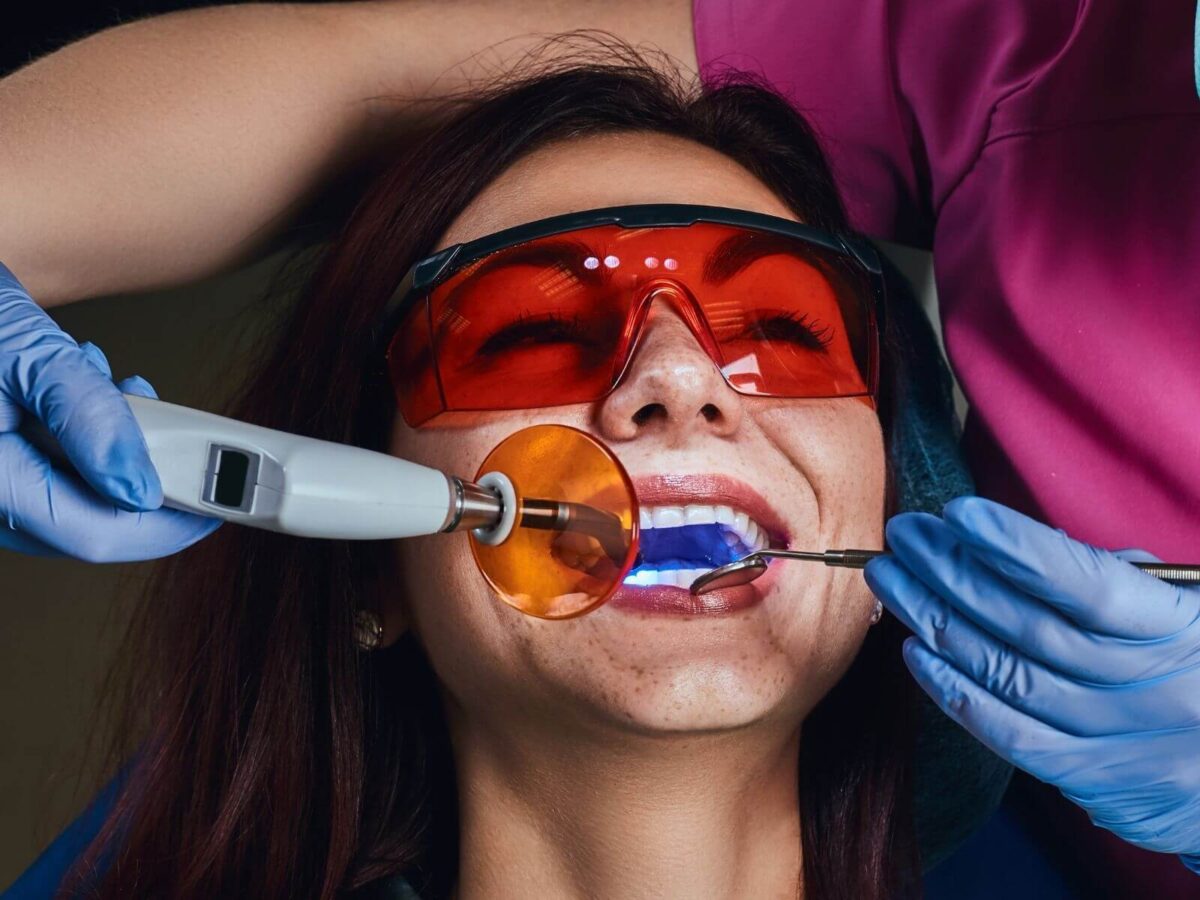
How Often Should You Go to the Dentist for Checkups
The mouth can feel perfectly fine for months at a time. No soreness, no sensitivity, and no reason to think anything might be wrong. That is usually when the question “how often should you go to the dentist?” appears out of nowhere. Oral issues rarely make noise at the beginning. They grow slowly in quiet corners of the mouth where no one looks. A tiny amount of plaque hides at the gumline. A little buildup forms between teeth. These changes do not hurt, so they stay invisible. Checkups catch these early shifts before they disturb daily life.
Why Routine Visits Matter More Than They Seem
A dentist notices signs that people cannot see on their own. A bit of bleeding during cleaning. Slight changes in gum colour. A small shadow on an X-ray that shows enamel weakening. These early alerts help guide care long before discomfort arrives. This is why understanding how often you should go to the dentist becomes part of protecting your future smile. Problems caught early almost always stay easier to manage.
Some people wait for pain before scheduling a visit. Pain is usually the final warning. Regular appointments step in far earlier.
What Happens During a Typical Checkup
A dental checkup gives the dentist a real look at what’s going on inside your mouth. They go tooth by tooth, spotting tiny weak spots or places that look a bit worn. The gums get attention too, because tenderness or swelling appears quietly. And then the cleaning clears away the buildup that brushing never fully handles.
These small pieces help define how often you should get routine checkups at the dentist, since every visit shows a little more about how your teeth change through the months. When checkups stay regular, patterns show up early, and preventing bigger issues becomes much simpler.
The Six-Month Standard and Why It Works
Most people do well with visits every six months. That timing keeps plaque from building too thick. It lets dentists find small issues long before they grow into larger repairs. It also gives the mouth enough time to show if something needs more attention.
Six months is a simple routine that fits into most schedules. It keeps the mouth on track without overwhelming daily life. That steady rhythm is often the answer when people ask, “How often should you get dental checkups?” in general.
When Visits Should Happen More Frequently
Some patients truly need closer attention. A past fight with gum disease, dry mouth from medication, or a pattern of cavities can make three or four-month visits much safer than waiting half a year. Those quicker appointments help keep things calm before anything turns serious.
People managing braces, implants, or certain health issues may need added follow-up. For them, how often you should go to the dentist is shaped by their smile’s needs and how it reacts between visits. The dentist sees what is going on and chooses a time plan that helps you most.
How Daily Habits Influence Visit Frequency
Daily routines affect each mouth differently. Sugary drinks increase decay risk, and grinding at night removes enamel slowly. Snacking often exposes teeth to more acid. These patterns influence how often you should go to the dentist for regular checks. A dentist reviews these patterns and suggests simple changes. More water during the day or sugar-free gum after meals can support the teeth. These steps are small but helpful. They guide the mouth toward steadier health and reduce the chance of future problems. Over time, these choices build stronger habits.
The Quiet Benefits of Staying Consistent
Regular checkups keep the mouth comfortable in ways people forget to notice. Gums remain firm and healthy. Breath feels fresher. Cleanings stay easier because tartar never gets the chance to build thick layers. These benefits feel subtle but grow stronger with time.
Confidence grows, too. People feel more comfortable when their mouth is checked by someone who understands how early problems appear. That steady peace of mind becomes a meaningful reward of keeping up with regular visits, because it helps them trust that issues will be found before they become serious.
How Checkups Support Overall Health
The mouth and the body affect each other more than people expect. When the gums stay swollen or sore, the rest of the body can respond. Heart conditions and blood sugar levels may shift. An untreated infection in the mouth can also spread, turning into something harder to manage. These things happen slowly, which makes regular visits important.
During a visit, a quick screening may also show early signs of oral cancer. Small changes are easier to treat when they are found early. Learning how often you should go to the dentist supports overall health and not only the appearance of the smile.
Children Benefit from Early and Steady Care
Children’s smiles shift quickly as new teeth appear and the jaw develops. Regular checkups help the dentist follow this growth and make sure everything is exactly the way it should be. Early advice also builds better habits and makes children more comfortable at appointments.
Dentists spot early patterns too. They can tell when flossing needs work or when spacing needs closer watching. These early findings guide long-term health and prevent small issues from becoming bigger ones.
Adults and Ageing Smiles Need Attention Too
With age, enamel may thin and cause some sensitivity. Gums can pull back a little and leave more of each tooth exposed. Some medicines also dry the mouth, and that dryness increases the chance of decay for adults. Regular visits help manage these changes in a steady way.
These appointments let the dentist suggest steps that protect the enamel and make chewing comfortable. Routine care helps ageing smiles stay strong over the years.
Signs That Mean You Should Visit Sooner
Even when following a schedule, certain signs require earlier attention. Gums that start bleeding out of the blue. A constant bad taste that does not go away. Sensitivity lasting more than a few days. Pain when biting. These signs show that something has changed inside the mouth.
Seeing the dentist quickly keeps treatment simple. Waiting allows the problem to grow. That is why routine care and quick responses to symptoms work together to protect the smile.
Confidence Comes from Knowing Your Mouth Is Cared For
People feel calmer when someone checks their oral health. Smiling or eating feels easier when the mouth is looked after. Regular visits add to that comfort. They show things are on track. Knowing how often you should go to the dentist helps keep a routine that supports everyday care and steady habits.
Ready to Keep Your Smile Steady
A simple checkup can answer questions and offer reassurance. Dentists help shape a schedule that fits your needs and keeps the mouth comfortable through every stage of life. Setting your next appointment today keeps your smile strong, bright, and ready for the moments that matter.

