
Blog
Dental hygiene tips for healthy teeth & gums
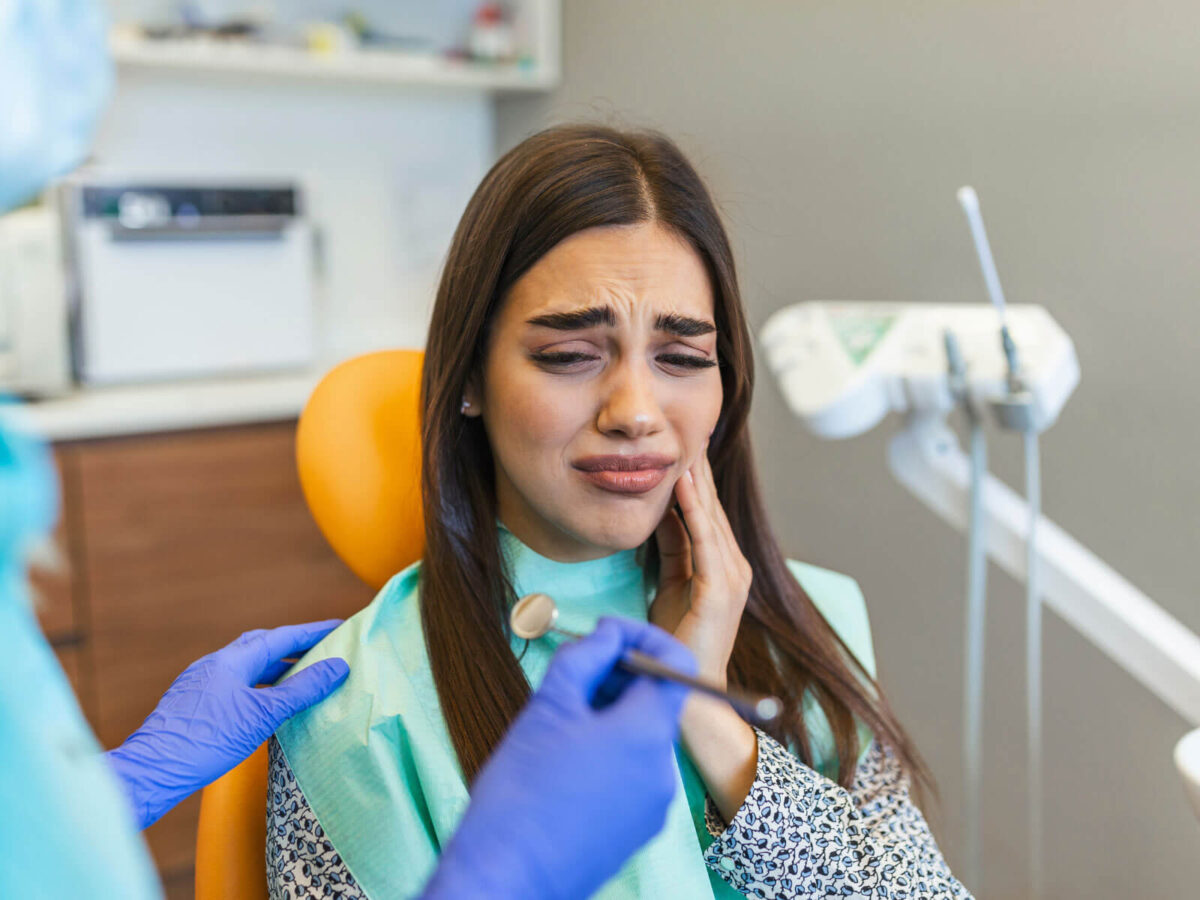
What Is Dentophobia? Understanding the Fear of Dentists
The dentist’s chair isn’t exactly anyone’s favorite place. Even people with perfect teeth can feel a bit tense walking in, the lights, the tools laid out, and the sounds from other rooms.
But there’s a version of this that goes way past tense. Someone keeps pushing the appointment back, week after week, even with a tooth that’s clearly bothering them. What is dentophobia trying to describe, exactly? Not the normal dread, but that next level, where avoidance starts running the show.
“Just been busy” comes up a lot. Said enough times, it almost stops feeling like an excuse. But it’s usually covering for something nobody’s quite ready to name.
What Is Dentophobia, Exactly
Dentophobia, also known as odontophobia, is one of the specific phobias, fears tied to a particular thing or situation rather than something more general. It’s not the same as the “I’d rather not” most people feel when walking into a dental office. It’s a fear intense enough to actually steer someone’s choices, like whether they show up at all.
Cleveland Clinic frames it as fear that’s way out of proportion to the actual situation. The keyword there is “avoid.” Most people who dread the dentist still go anyway. People with dentophobia often don’t, toothache and all.
How Common Is It
A lot more people deal with this than you’d guess from how rarely it comes up. Most of the conversation around dental fear happens privately, if it happens at all, “I’m fine, just busy,” instead of an actual explanation.
Cleveland Clinic puts dental fear at around 36% of US adults, with 12% calling it extreme. Actual dentophobia, full avoidance, is closer to 3% of adults in industrialized countries. That’s millions of people whose dentophobia symptoms never really come up in conversation, even with their own dentist.
What Does Dentophobia Actually Feel Like
Dentophobia symptoms hit before you’ve even left the house, half the time.
Racing heart. Sweating. That sick feeling in your stomach. One study tracked people’s heart rates going up just from looking at dental imagery, nowhere near an actual appointment.
Then there’s the mental side. Dread that builds for days. Sleep gets worse the night before. Cancellations, sometimes the same appointment more than once. For some people, even the smell of a waiting room is enough.
Dentophobia vs. Dental Anxiety – What’s The Difference
Quick way to think about it: anxiety is dread that doesn’t stop you. A phobia is a fear that does. Picture two people walking into the same office. One’s anxious, sure, but they sit down, get through the cleaning, and go home. The other never makes it past the parking lot.
That’s roughly the line. Dental anxiety is the version where the fear is loud, but you push through anyway. Dentophobia is when the fear wins outright.
There’s also a time element. Clinicians generally look for fear that’s lasted six months or longer and is clearly bigger than the actual risk involved. A bad reaction to one bad appointment isn’t automatically a phobia. A pattern that’s followed someone around for years, shaping how they handle their teeth, probably is.
What Causes Dentophobia
A handful of things show up over and over.
Bad past experiences top the list. Especially ones from childhood, or ones where the person felt like they had no say in what was happening. Pain figures in, too, often more from the memory of it than anything current, since a lot of that fear is genuinely outdated given how anesthesia works now.
It’s not always firsthand, either. Hear someone describe a horror story in enough detail, and the fear can rub off. And sometimes it’s not even about teeth, the dental chair just happens to trigger something already there, like a broader fear of losing control.
Who Is Most Likely To Experience It
Women report dental fear at roughly double the rate of men. Whether that’s a real gap or just a reporting gap, nobody’s totally sure.
Younger adults tend to report more of it, too. And here’s a strange one, about 30% of dental students report dental anxiety themselves. Even people in the field aren’t immune.
What If Dentophobia Is Not Treated
Teeth don’t pause and wait for someone to feel ready.
Skip enough appointments, and small problems turn into big ones. A cavity that needed five minutes and a filling becomes a root canal. Sometimes worse.
And it doesn’t stop at teeth. Bad breath, visible decay, and feeling self-conscious about your smile all tend to follow eventually. In the moment, it feels safer. Down the line, it’s usually the opposite.
Can Dentophobia Be Treated
Good news here: none of this has to be permanent.
Exposure therapy tends to be where treatment starts, easing into dental settings step by step instead of forcing a full visit right away.
Relaxation techniques or guided imagery often get layered on top. Some clinicians also start with a short questionnaire, just to get a sense of how intense things are and what kind of approach might actually help.
Dental offices have adapted too. Sedation options. More explanation during procedures. Letting patients raise a hand if they need a pause. Small stuff, but it’s often the difference between someone with dentophobia showing up and someone not.
Tips That Actually Help On The Day
A few small things make a real difference here, and dentists bring these up a lot.
Say something. Just tell the dentist you’re nervous. Most have heard it before, and it usually means they slow down, talk through what they’re doing, and check in more.
Book mornings if you can. Less time sitting around dreading it. Headphones help too, something to drown out the drill, and maybe lay off the coffee, it tends to make the nerves worse, not better.
People underestimate breathing. In slow, out slower, a handful of times. Doesn’t matter where you are, in the chair or the waiting room, it still helps.
None of this cures dentophobia. But it can be the difference between rescheduling again and actually getting through the door.
FAQs
Dentophobia and hating the dentist – same thing?
Not really. Disliking it is normal and doesn’t usually stop people from going. Dentophobia means actual avoidance, plus physical symptoms severe enough to mess with daily life.
Can it start as an adult, or is it always from childhood?
Both happen. Childhood is common, but a bad experience as an adult can trigger it too.
What if I need multiple procedures done at once?
Some people prefer getting everything done in one longer visit rather than several shorter ones, just to avoid repeating the dread. Others need the opposite, smaller sessions spread out. Just talk to your dentist about it.
Does the treatment include meds?
Sometimes, for anxiety in general. But exposure-based methods are usually the main approach for the phobia itself.
Conclusion
So, what is dentophobia? At its core, it’s fear that’s grown bigger than the situation justifies, big enough to keep someone away from care they actually need.
Fear like this doesn’t just fade on its own, usually. Something has to shift it, telling someone, taking a small step, easing into it gradually.
If any of this sounds like you, the canceling, the dread before it even starts, the teeth you’ve been ignoring longer than you’d like to admit, that’s worth paying attention to. A lot of dentists deal with anxious patients regularly and won’t make it a big deal. Sometimes it’s less about the teeth and more about the fear itself. A therapist who deals with phobias can help with that side of it.

