
Blog
Dental hygiene tips for healthy teeth & gums
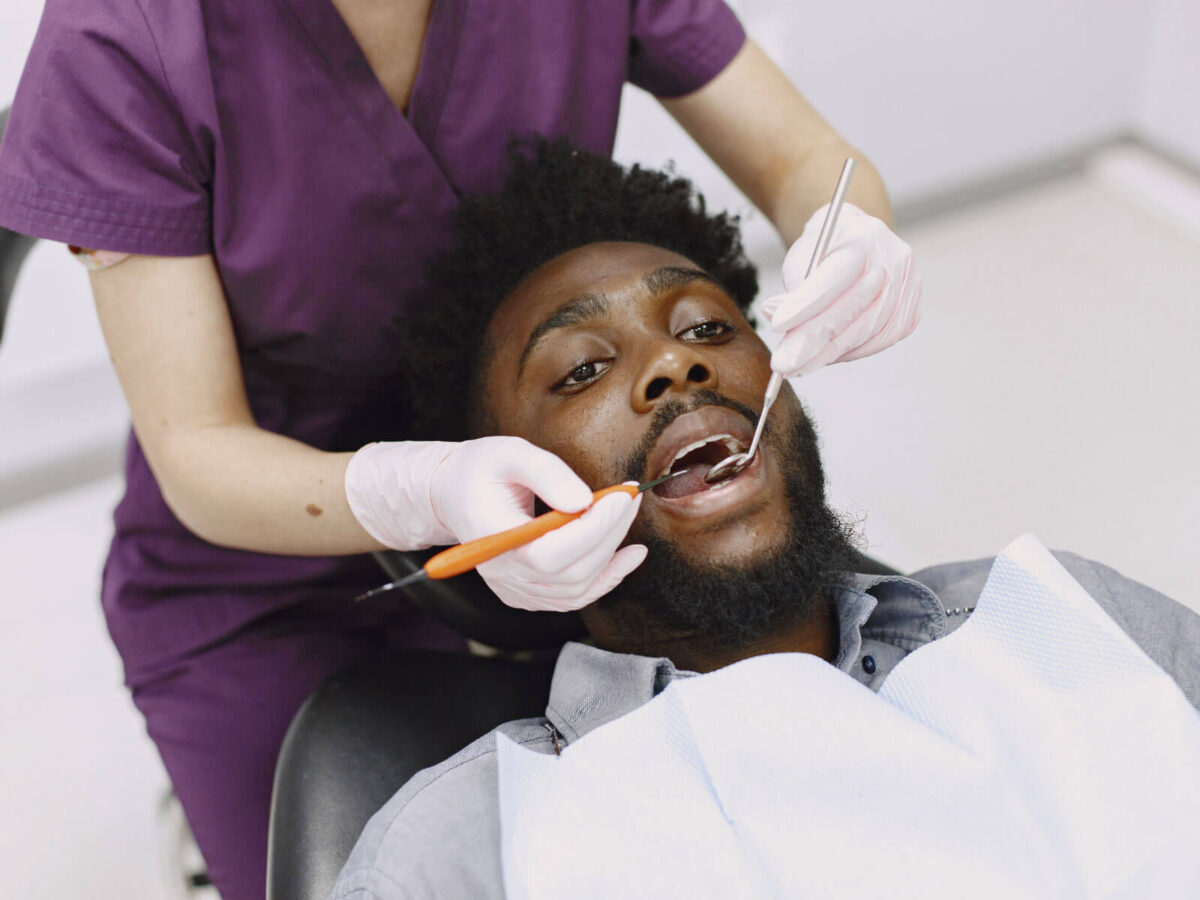
5 Benefits of Regular Dental Check-Ups
Most of us book a dentist appointment when something already hurts. By the time it does, whatever’s going on has usually been quietly building for months, sometimes longer than that.
Going when nothing feels wrong sounds backwards to a lot of people, but that’s really the whole case for it. Most of the benefits of regular dental checkups come down to catching things while they’re still small and easy to ignore, long before they turn into something that actually disrupts your week.
There’s a habit side to this, too, and it’s easy to underestimate. Once it’s been a while since your last visit, it gets easier to keep pushing it off, and there’s a decent chance something has quietly shifted in the meantime without you noticing. A single visit doesn’t really do much on its own. It’s the rhythm of going regularly that ends up mattering.
How Often Should You Actually Go
The twice-a-year thing gets repeated so much that people assume there’s a study behind it. There isn’t, not really. It came more from habit than evidence, and dentists themselves have been moving away from it for a while now.
The ADA has shifted toward looking at each person’s risk factors rather than a fixed six-month rule for everyone. Healthy teeth, low risk, once a year might cover it. Gum disease, smoking, diabetes, pregnancy, your dentist might want to see you every three or four months instead.
The rule isn’t wrong exactly. It was never built for everyone. If your dentist suggests something different, there’s likely a reason. And if it’s been over a year, regardless, that’s the part worth fixing.
1. Catching Problems Before They Start Hurting
Most cavities don’t hurt when they start. They’re already there, working their way under the enamel, well before any of it shows up as pain.
A dentist can usually catch this early, either visually or on an X-ray, long before it gets anywhere near a nerve. One review in BDJ Open found that people who keep up with regular checkups generally end up with less cavity damage and hold onto more of their natural teeth compared to those who don’t.
The difference shows up later, usually as a choice between a quick filling and something far more involved, like a root canal or a crown. Catching it early is what keeps it in the “quick filling” category.
2. Lower Risk Of Gum Disease
Gum disease usually doesn’t show up loudly. A little blood when you floss, gums that look a touch puffier than normal, small stuff that’s easy to brush off as nothing.
That’s the stage where checkups make the biggest difference. The American Academy of Periodontology has found that roughly half of adults over 30 deal with some form of it, and at this early stage, it’s usually still manageable.
Below the gumline is where tartar likes to hide, and no amount of brushing reaches it. A cleaning does. Skip enough of those, and that’s often the thing that quietly turns into a real problem.
3. A Cleaner, Brighter Smile Without The Extra Cost
Coffee, tea, red wine, whatever you eat day to day, all of it leaves something behind on your teeth that brushing just doesn’t fully take care of. Give it a few months, and that’s part of why teeth start to look a bit duller.
A cleaning strips a lot of that away in one sitting. The brightness afterward isn’t from any whitening product. It’s just what your teeth actually look like underneath everything that’s accumulated. It’s one of the more visible benefits of regular dental checkups, and it comes as part of an appointment you were going to need anyway.
4. Checkups Can Flag More Than Just Your Teeth
Your mouth says more about your overall health than most people realize. Sometimes it’s the gums, sometimes a sore that won’t heal, sometimes just breath that nothing seems to fix. All of it can point somewhere else in the body.
It’s not just a theory either. Mayo Clinic has found real connections between oral health and conditions like heart disease and diabetes. Dentists pick up on this stuff. Sometimes that means walking out with a note to call your regular doctor about something that has nothing to do with your teeth.
A routine exam also covers the soft tissue in your mouth, not just your teeth. Around 60,480 people in the US are expected to be diagnosed with oral cancer this year, and that part of the exam is often how it gets caught early, when treatment tends to work better.
5. The Math Tends To Work Out In Your Favor
Two cleanings a year cost something, sure. But a root canal, a crown, or pulling a tooth costs a lot more, and those are usually the things that show up after checkups get skipped for a while.
One study on patients before surgery found that the ones with a history of regular dental visits had better oral hygiene and ran into fewer complications going into their procedures. It’s not just a surgery thing. Paying a little, regularly, usually beats paying a lot, all at once.
What A Long Gap Between Visits Actually Costs You
Skip one checkup, and probably nothing changes. Skip a few in a row, and that’s usually where things start going sideways.
Soft plaque turns into hard tartar and your toothbrush can’t budge. A cavity that would’ve been a five-minute filling has time to work its way down toward the nerve. Gums that were just a little inflamed get a chance to actually develop into something.
Roughly a quarter of US adults haven’t been to a dentist recently, and a lot of the bigger dental work people end up needing can be traced back to one of these gaps. It’s basically the flip side of the benefits of regular dental checkups: what happens once they stop happening.
Getting The Most Out Of Your Visit
A checkup isn’t just sitting in the chair while someone looks around. If something’s been bothering you, even a little, sensitivity, a spot that bleeds when you floss, a jaw that clicks, say something. It gives your dentist an actual place to look instead of just running through the usual routine.
The same goes for anything that’s changed in your life since last time. New medication, pregnancy, a diabetes diagnosis, things like that can change how often you need to come in or what your dentist pays closer attention to. This is part of how the benefits of regular dental checkups actually show up. The appointment adjusts based on what’s going on with you, not the other way around.
And if the recommended gap gets shorter, ask why. It’s usually tied to something they saw.
FAQs
How often do you really need to go in?
For most people, twice a year. Depends a lot on your oral health, though. Some get away with less, some need more.
What’s actually included in a checkup vs a cleaning?
A cleaning is part of it. The checkup also covers an exam and sometimes X-rays, looking for things that aren’t visible on the surface.
Does going regularly help with bad breath?
It can. Plaque and gum problems are usually behind it, and both are things a dentist deals with regularly.
Does it matter if nothing hurts?
That’s actually the best time. Most things checkups catch don’t hurt yet, which is exactly why they’re easier to deal with at that stage.
Conclusion
The importance of regular dental check-ups isn’t really about the appointment itself. It’s everything that gets caught because of it, a small cavity here, some early gum inflammation there, things that are easy to fix now and a lot less easy later.
It’s also worth remembering that the cost of a checkup is fixed and predictable. The cost of skipping several isn’t. Most people only notice that gap once it’s already turned into something bigger and more expensive.
So what are the benefits of dental checkups? Less pain, lower bills, fewer surprises, and a much better shot at catching things while they’re still easy to deal with. If it’s been a while, that’s about as good a reason as any to book one.

